

The Role of Climate in Paint Performance
Painting the outside of a building involves more than just choosing a color. Weather plays a big role in how well your paint job turns out. Factors like temperature, humidity, and wind can impact drying times and paint adhesion. Understanding these elements is crucial for achieving a long-lasting finish. In this article, we will explore various weather conditions and their effects on painting outcomes. You’ll gain insights into planning your next project to ensure it withstands the test of time.
Temperature’s Impact on Drying Times
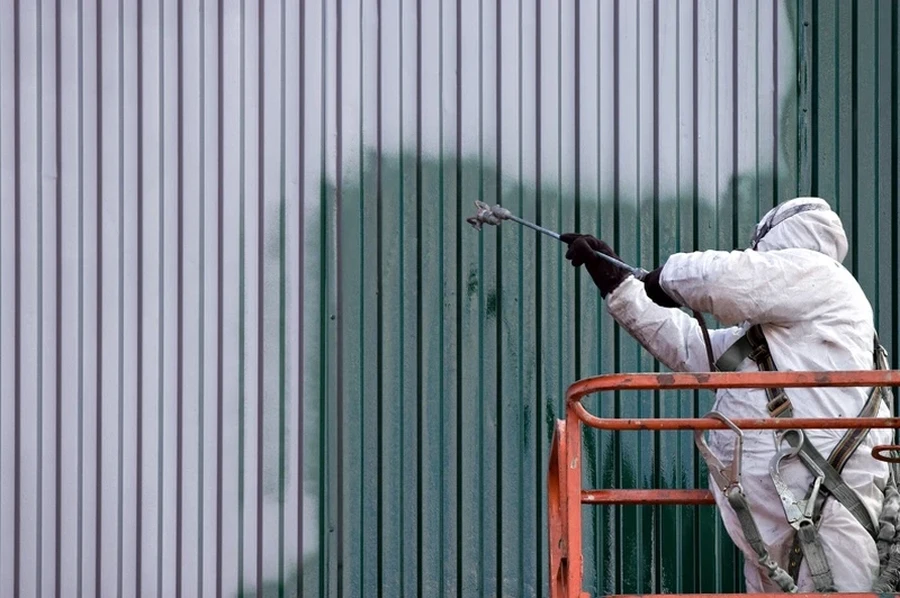
Temperature significantly affects how paint dries. Ideally, temperatures should range between 50°F and 85°F for optimal results. If it’s too cold, the paint might not dry properly. This can lead to bubbling or cracking later on. Conversely, extreme heat can cause the paint to dry too quickly, preventing proper bonding with surfaces. Carefully timing your exterior painting during mild temperatures can make all the difference in achieving a smooth, lasting finish.
Humidity Levels and Their Effects
Humidity also has a major influence on painting results. High humidity slows down the drying process because moisture in the air interferes with evaporation. This can result in a sticky finish that attracts dust and dirt. On the other hand, low humidity levels allow for quicker drying, but they might cause the paint to crack if applied too fast. Monitoring humidity levels before starting an exterior painting project ensures better adherence and a cleaner finish.
Wind Speed Considerations
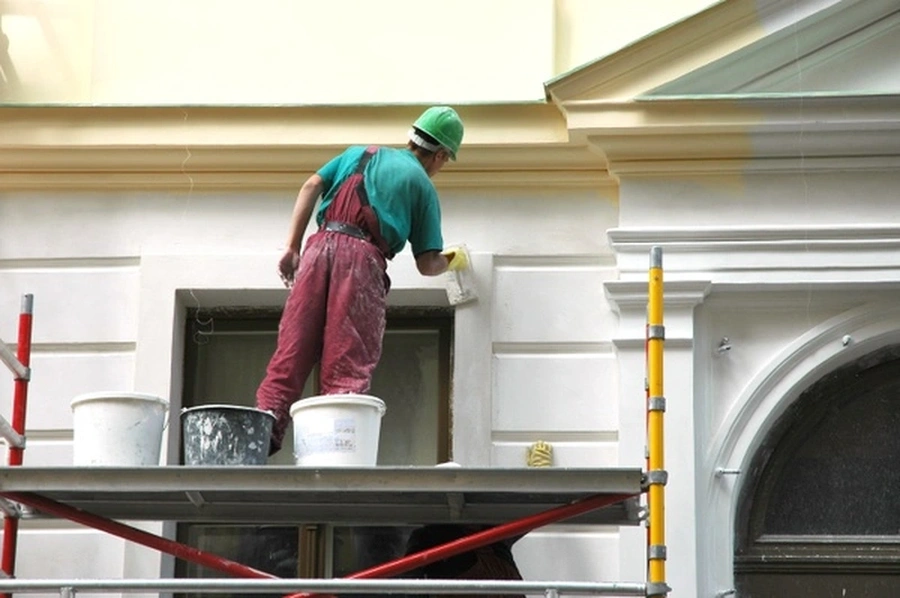
While often overlooked, wind speed can greatly impact exterior painting projects. Strong winds can blow dust onto wet paint, ruining the surface texture. They can also cause paint to dry unevenly or even chip off prematurely. For best results, pick a calm day to undertake your exterior painting tasks to minimize these risks. A sheltered work area or temporary barriers could also help reduce wind exposure.
Rainfall Risks
Rain is another weather factor to consider when planning a painting project. Any precipitation can wash away fresh paint, especially if it hasn’t had enough time to cure. To avoid this issue, check the forecast carefully before beginning any project. Allow for at least 24 hours of no rain after painting to ensure proper setting and durability.
The Importance of Seasonal Timing
Choosing the right season for your painting project can heavily influence its success. Spring and early fall are generally considered ideal due to their moderate weather conditions. During these times, you’re likely to find the optimal mix of temperature and humidity levels. Planning your exterior painting around these seasons can provide you with both aesthetic benefits and increased longevity.
Preparing Surfaces Against Weather Extremes
- Always clean surfaces thoroughly before painting.
- Sanding rough patches ensures an even coat.
- Use high-quality primers suitable for different weather conditions.
- Select paints designed to handle specific climatic challenges.
- Check weather forecasts regularly to avoid sudden changes.
Final Recommendations for Successful Painting Projects
A successful painting project requires careful planning around weather conditions. Start by choosing quality materials that suit your local climate. Ensure your surfaces are well-prepped to handle temperature swings and humidity levels. Finally, always check weather forecasts so you can paint under favorable conditions. By following these steps, you enhance both appearance and durability, ensuring your efforts stand strong against time and weather. Based in Lynwood, CA, our skilled team at Morales Handyman is dedicated to providing top-notch painting services tailored to your needs. For expert advice or assistance, contact us at (562) 308-7799.